Hot Dog Pueblo CO Meals That Hit the Spot
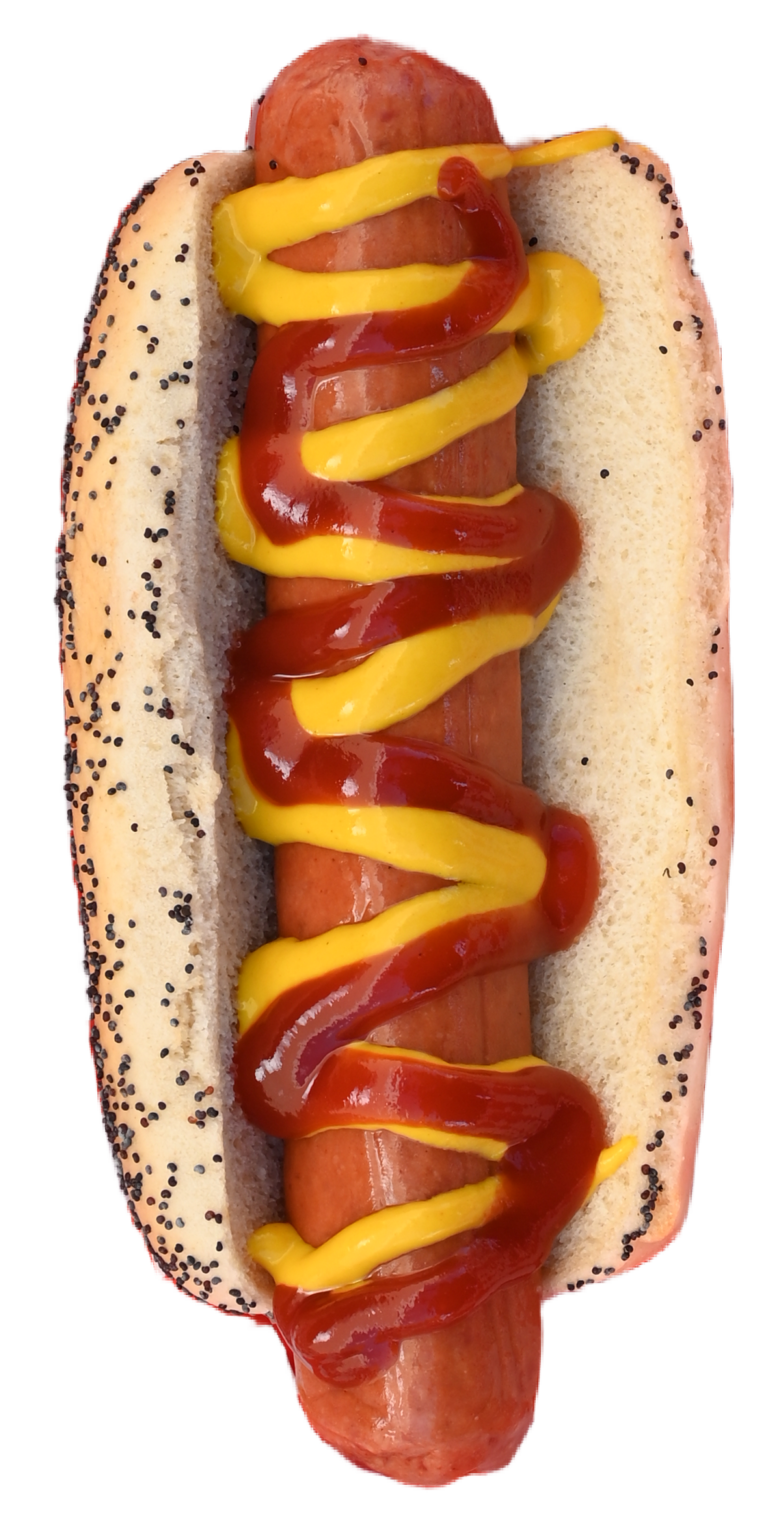
Pueblo knows how to turn humble food into something worth going out for. That is especially true when the meal starts with a hot dog. In plenty of places, a hot dog is treated like an afterthought, a quick filler ordered because it is easy. In Pueblo, it can become the whole point of lunch. That shift happens when the sausage has a proper snap, the bun is warm instead of stale, and the toppings speak the local language. Around here, that usually means green chile, grilled onions, sharp mustard, and enough character to make you slow down between bites.
Anyone searching for a memorable hot dog Pueblo CO meal is not really looking for a generic ballpark dog. They are looking for something satisfying, affordable, and a little regional. Pueblo has always had a practical food culture. People want meals that fill them up, taste honest, and do not pretend to be fancier than they are. A hot dog fits that standard beautifully, but only when it is handled with care.
There is hot dog Pueblo CO also something about Pueblo that favors foods with strong personality. The city appreciates smoke, spice, and straightforward flavors. A plain hot dog can work, but a Pueblo-style hot dog, or even a dog built with Pueblo instincts, tends to land better. Add roasted green chile and suddenly a familiar meal feels local. Add a side of fries, onion rings, or a bowl of chile and it stops being a snack and becomes the kind of lunch that carries you through the rest of the day.
What makes a hot dog meal worth chasing in Pueblo
Not every good hot dog meal needs to be complicated. The best ones usually get three things right. First, the dog itself matters more than many places admit. If the sausage is bland, soft, or overly salty, no amount of toppings can rescue it. Pueblo diners tend to prefer a dog with a firm casing and a beefy, savory profile that can stand up to stronger ingredients.
Second, the bun has to do its job. It should hold together through heat, moisture, and toppings. That sounds basic, but too many places treat the bun like packaging. A good bun brings softness and structure. In Pueblo, where green chile can turn a meal gloriously messy in a hurry, structure counts.
Third, and this is where things get interesting, a hot dog meal needs context. It is not just the dog. It is the side, the drink, the speed of service, and the feeling that the kitchen understands what people came in for. A great hot dog meal arrives hot, fast, and balanced. If the dog is rich and spicy, the side might be crisp and simple. If the dog is loaded with chile and cheese, an icy fountain drink or a tart lemonade suddenly matters more than it would with a plain dog.
That is the difference between grabbing food and eating a meal that hits the spot. Pueblo diners recognize it immediately. You can see it when someone goes quiet after the first bite because the ratio of snap, heat, bun, and chile is exactly right.
Why Pueblo flavors work so well on a hot dog
Pueblo has one obvious culinary advantage here: chile. Local green chile is not just a topping, it is an argument for why regional hot dog culture should exist. It brings heat, yes, but also depth, vegetal sweetness, and enough texture to turn a simple sausage into something layered. A spoonful over a grilled dog changes the whole meal.
Cheese helps too, especially when it is melted just enough to mingle with the chile rather than sit on top as a separate ingredient. Add diced onions for bite and a stripe of mustard for sharpness, and the result feels rooted in southern Colorado rather than copied from somewhere else. That matters. The best regional foods do not try to imitate famous versions from Chicago, New York, or Detroit unless they can do so well. Pueblo does better when it leans into its own pantry.
A chili dog also has a place, but there is a difference between red chili and green chile, and local diners usually know exactly which direction they prefer. Red chili often delivers richer, deeper seasoning and a heavier feel. Green chile brings brightness and a more direct pepper flavor. On a cool day, a red chili dog with cheese can be the right move. On a warmer afternoon, a green chile dog often feels livelier and less dense.
This is one of those small judgment calls that separates a decent meal from a smart order. If you are hungry but still need to function afterward, a grilled dog with green chile, onions, and a side of fries tends to satisfy without flattening you. If you want pure comfort and do not care about taking the scenic route back to work, a heavier chili-cheese version can be exactly right.
The texture question most places ignore
People talk about flavor first, but texture decides whether a hot dog is forgettable or excellent. Pueblo diners, like diners anywhere with strong local food opinions, notice texture fast. The casing should pop lightly when you bite into it. The bun should compress without turning gummy. Onions should either be crisp and raw or deeply softened and caramelized, not halfway there. Chile should be thick enough to cling rather than run all over the tray.
This becomes even more important in loaded hot dog meals. Once you add chile, cheese, relish, slaw, bacon, or multiple sauces, the margin for error shrinks. Too many wet toppings and the bun collapses. Too much cheese and the dog loses definition. Too much chile and the spice overwhelms the meat.
Well-run kitchens understand this balance. They know when to split and toast the bun, when to grill the dog harder for more char, and when to keep toppings restrained. It is the kind of experience diners might not articulate, but they feel it. They finish the meal thinking, that was exactly what I wanted, even if what they really mean is that the textures lined up.
Building the meal around the dog
A hot dog by itself can be enough for a quick bite, but most people looking for a proper meal want more than that. In Pueblo, the smartest combinations are the ones that respect appetite, weather, and time of day.
At lunch, one loaded dog with fries or tots usually makes more sense than two heavily topped dogs. One is enjoyable. Two can become a commitment, especially if green chile and cheese are involved. If you are eating later in the afternoon, when hunger has sharpened and dinner is still far off, that is when a second simpler dog can make sense. One loaded, one plain or mustard-and-onion only, often lands better than doubling down on the same heavy build.
Sides deserve more thought than they get. Fries are the default because they are easy, familiar, and hard to dislike. Onion rings pair especially well with a simple grilled dog because they add sweetness and crunch without competing with the sausage. Tater tots work when you want something sturdy enough to stand up to cheese or chile on the side. Coleslaw, if a place does it well, can be the best balancing act on the menu. A cold, tangy slaw cuts through richness and keeps the meal from becoming monotonous.
Drinks matter too, more than people admit. A spicy hot dog meal calls for contrast. Cold cola works. Unsweet tea works if the dog is particularly salty. Lemonade can be excellent with green chile because the acidity brightens everything. Heavy milkshakes have their place, but usually not with a loaded chile dog unless you are fully committed to indulgence.
The difference between a fast hot dog and a great one
Speed is part of the appeal. A hot dog should not require the pacing of a white-tablecloth meal. But fast and careless are not the same thing. The best hot dog meals in Pueblo tend to arrive quickly because the kitchens have rehearsed them into muscle memory, not because they are cutting corners.
You can often tell within a minute whether a place takes the item seriously. Is the dog grilled or steamed with intention? Is the bun warmed? Are toppings distributed across the dog or dropped in a clump at one end? Are the fries crisp or limp from sitting too long? These are small signals, but they reveal a lot.
A good hot dog place understands repeat business. Customers who order hot dogs regularly are paying attention. They remember whether the last visit was hot, fresh, and properly assembled. They remember if the green chile tasted homemade or poured from a pan that had been holding too long. They remember whether the meal felt like good value.
That last part matters in Pueblo. This is a city that appreciates a fair plate. People do not mind paying for quality, but they want to see it. A hot dog meal should feel generous enough to count as lunch without veering into novelty-for-novelty’s-sake territory. Extra-tall stacks and gimmick toppings may look good in photos, but they rarely eat well.
How to order based on appetite, not impulse
The best hot dog orders are often the ones that match the moment. Hungry diners sometimes over-order because the menu is inexpensive and everything sounds easy to add. Then the tray arrives with too much cheese, too many sides, and not enough restraint. A little strategy helps.
If you are eating alone on a work break, the ideal order is usually compact and efficient. One signature dog, one side, one drink. If you are sharing with family or friends, variety becomes more useful. Try one regional build, one classic build, and a couple of sides for the table. That gives everyone a chance to compare without turning lunch into a food challenge.
For first-time visitors looking for a reliable route, a few combinations tend to perform well:
- A grilled all-beef dog with green chile, onions, and mustard, plus fries.
- A chili-cheese dog with a lighter side, such as slaw or plain chips if available.
- Two smaller dogs, one loaded and one plain, when you want range more than volume.
- A hot dog with onion rings and a cold lemonade on a hot day.
- A green chile dog and tots when you need something substantial that still feels casual.
Those are not rules, just combinations that respect how these meals actually eat. If the dog is especially rich, simplify the side. If the side is indulgent, keep the dog focused. That kind of trade-off is how you leave satisfied instead of overdone.
Pueblo’s working-food tradition and why hot dogs fit it
Pueblo has long embraced meals that are practical without being boring. That includes breakfasts that stick with you, lunch counters that move fast, and dinners built on hearty portions and seasoned confidence. The hot dog belongs in that tradition because it can be handled with the same values. It is affordable, portable, and adaptable, but still capable of genuine craft.
That last point is important. There is sometimes an assumption that low-cost foods cannot show much skill. In reality, they often reveal skill more clearly because there is nowhere to hide. A steak can impress with sheer luxury. A hot dog has to earn it through execution. Good sausage, good heat, good toppings, good timing. Miss one and the meal feels ordinary.
Pueblo’s food scene tends to reward places that do simple things well. This city likes flavor, but it also likes reliability. A restaurant or stand that puts out consistent hot dog meals, especially ones that nod to local chile culture, can build a loyal following quickly. People come back for confidence as much as novelty.
You hear this in everyday recommendations. Someone does not say, “It was an innovative deconstruction of a classic.” They say, “That dog was great, the chile had some kick, and I’d get it again.” Frankly, that is a better standard.
When a classic dog beats the loaded version
It is easy to assume that more toppings always means a better meal. Sometimes it does. Sometimes the smartest order is a plain grilled dog with mustard and onions because the sausage itself is good enough to carry the plate.
This is especially true when the place uses a quality all-beef dog with a proper char. The smoke from the grill, the salt in the meat, and the tang from the mustard can be all you need. Add too much and you lose what made it appealing in the first place. There is a lesson here that applies to more than hot dogs. Good ingredients deserve room.
That said, the plain route only works when the fundamentals are strong. If the dog is mediocre, a pile of toppings can act like camouflage. Some diners know this instinctively. They order a simple dog the first time because it tells them whether the kitchen has confidence. If the plain version is solid, the loaded regional builds are usually worth trying next.
This is also where the bun earns its keep. In a simpler hot dog, there are fewer flavors competing for attention, so every component becomes easier to judge. A stale bun becomes obvious. A cheap mustard tastes thin. An undercooked onion feels harsh rather than lively. Simplicity is unforgiving, which is why it can be a useful test.
The green chile advantage
A lot of cities can put together a decent hot dog. Not many can put together a hot dog that feels anchored to place. Pueblo can. Green chile is the reason.
Used well, it adds identity without forcing the issue. A spoonful on top of a grilled dog can make the meal taste unmistakably southern Colorado. You get the warmth, the earthiness, the slight sweetness of roasted peppers, and that slow-building heat that stays interesting rather than punishing. It plays especially well with onions and cheese, and it even works with creamier elements if the kitchen shows restraint.
The key word there is restraint. Too much chile and the dog disappears. Too little and it feels token. The sweet spot is enough to coat each bite without drowning the meat. Better places hit that balance naturally. They know chile is not just there to add heat. It is there to shape the entire flavor profile.
For visitors who have heard of Pueblo chile but have only tried it in burritos or burgers, a hot dog can be a surprisingly effective introduction. The hot dog is a simpler platform, which means the pepper stands out more clearly. You notice the roast, the spice, and the savoriness without too many competing variables.
Practical signs you’ve found the right place
Finding a good hot dog Pueblo CO meal often comes down to reading a room as much as reading a menu. The places worth your time usually give themselves away. The grill smells active. The service is casual but direct. Locals order quickly because they already know what works. You see a mix of plain dogs, chile dogs, burgers, and sides moving out steadily rather than a kitchen slowing down under overcomplicated tickets.
A few clues usually point in the right direction:
- The menu treats hot dogs as a real category, not a children’s fallback.
- Green chile appears somewhere on the board and seems integrated, not ornamental.
- The staff can answer simple topping questions without hesitation.
- The buns are warmed and the dogs arrive assembled with care.
- Regulars are ordering combinations that sound practiced rather than random.
Those details matter because they reveal whether the item belongs to the house or was added just to fill space. A strong hot dog meal comes from intention.
Why these meals keep earning repeat cravings
There is a reason people circle back to foods like this. A hot dog meal done right hits several needs at once. It is quick but not flimsy. It is affordable but still satisfying. It can be familiar on one visit and regional on the next. In Pueblo, it also taps into the local affection for chile, grilled food, and straightforward comfort.
That combination makes hot dogs unusually durable as a craving. You can want one after a long workday, on a Saturday running errands, after a game, or on the kind of afternoon when lunch needs to be easy but still worth looking forward to. Not many meals are that flexible.
The best part is that a good hot dog does not ask for much ceremony. It just asks for attention to detail. Pueblo understands that kind of food. It values meals that show care without showing off. Put a well-grilled dog in a warm bun, add green chile if the moment calls for it, pair it with the right side, and you have something far more complete than the name suggests.
That is why the search for a great hot dog Pueblo CO meal makes sense. It is not about chasing novelty. It is about finding the places that know how to turn a simple staple into exactly the kind of meal people actually want to eat. When the bun holds, the dog snaps, the chile bites back just enough, and the fries arrive hot, the whole thing feels effortless. It rarely is. That is what makes it good.
Under Construction Hot Dogs
Address: 1225 W U.S. Hwy 50, Pueblo, CO 81008
FAQ About Hot Dog Pueblo CO
Why is it called a hot dog?
A hot dog gets its name from a 19th-century joke comparing long, thin sausages to dachshund dogs and mocking their cheap meat content.
Is hotdog non-veg?
Yes, traditional hot dogs are non-vegetarian because they are made from meat trimmings like pork, beef, chicken, or turkey.
What exactly is in a hot dog?
Hot dogs are cooked and smoked sausages made from finely ground, emulsified meat trimmings mixed with water, fat, spices, and preservatives.